"But I want it!": What we can learn from children
A talk by Rose Matthews
This talk has two main themes:
1. Researching children We start by understanding the research techniques that must be employed to understand children, particularly those aged 3-5. Using real life case studies, I’ll demonstrate that these research participants will not just sit down, listen to a task or scenario and answer a question - and to do so would be unrealistic and out of context anyway. I’ll suggest some methods that work for the child, for example turning a task into a game, and discuss the role of the parent. In presenting the case study material, I’ll also invoke the work of child psychologists and other specialist researchers who have attempted to understand the child’s brain. Finally we’ll look at some of the broader research findings - what themes have we found when researching with children? What does motivate them to play with or otherwise use something, specifically in digital environments?
2. How it applies to adults The next section is about applying that to the adult decision-maker. I’ll ask questions about how we really react online, exploring some real-life analytics and user studies to show the difference between ‘why I think I do X’ and ‘What I actually do’. I’ll demonstrate that the rational option is not frequently the one taken. I’ll then develop this to look at models for understanding the internal relationship between the rational ‘leader’ of the adult mind and the emotional ‘child’ who so often takes action when the leader isn’t paying attention. Often when an adult is taking part in research their leaders are paying extra attention, aware that they need to communicate their desires, meaning that the outcomes are far less natural or realistic. I will finaly touch on techniques for impacting this newly-understood emotional decision maker, with a nod to Nudge Theory
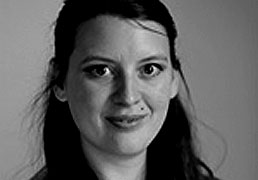
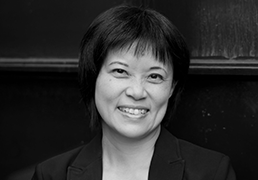
Rose Matthews
Rose has worked client-side and agency-side as a user experience expert since 2003. She has a rare depth of expertise in user research having practised a wide range of methodologies, both traditional and experimental, in a business setting. She has pioneered new research techniques and worked internationally in multiple language environments.
Her experience includes testing with young children, facilitating studies in terminology, working with neurological tracking and applying Q methodology to real business situations.
She has practised worldwide, having spent a significant amount of time in the USA’s Silicon Valley and across Europe before coming to Australia.