Throw the Heuristic Evaluation in the Fire and Tell a Story Around it Instead
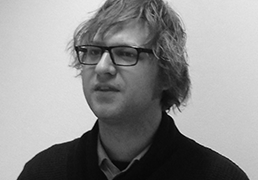
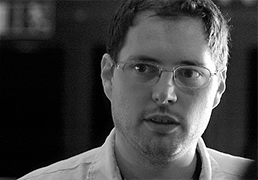
A talk by David Fiorito
I don’t know about you, but my first heuristic evaluation failed. Imagine a group of executive stakeholders looking at spreadsheets full of technical jargon with blank stares, followed by a lot of questions that clearly indicated that they doubted the value of the exercise.
In the seven years since that failure I have refined a method of presenting an evaluation (notice I don’t use “heuristic”) that has worked exceedingly well for me, and won business for my employers.
The process starts by placing the evaluation within the context of a story - the story of a person (or a whole set of people) interacting with a system. The system could be an app, a web site, a visit to a brick and mortar store, or even within the broader context of a service design exercise.
Each step within the story is evaluated against three simple criteria: I see it, I understand it, and I can do it. And when I say simple, I should probably say elegant, because the dozens of complex technical heuristics I have used in the past can be classified in one of those three categories.
So combine a quick (but accurate) persona with a user story, three simple evaluation criteria, and matching recommendations to address issues found along the way, and you get an engaging, relevant, and easily understood presentation that your project’s stakeholders will love.
In my experience, this method is most effective when used early in a project’s life-cycle – usually shortly after an initial round of stakeholder interviews and before any form of conceptual design. In fact, I have found that any conceptual designs go faster and encounter less resistance when I undertake this type of evaluation first.
And while I do not believe this to be the one method to rule them all, I do believe that the lessons I learned along the way, and the method that they shaped, may be helpful to you.

David Fiorito
http://digitalanthropologist.com/
David has been working in the digital arena since 1997 and has been an Information Architect since 2000. Before diving into the Net, he studied to be an anthropologist. Secretly, he never stopped being one and sees information architecture and user experience design as a digital expression of the practice of anthropology.
He can be found just about every waking moment in the twitterverse @crosswiredmind